7 women who helped shape animation
By MetStudios
11 November 2025
Women have made a significant impact on the animation industry, shaping its stories, techniques, and artistic language from the very beginning. Yet, their groundbreaking contributions have too often gone unrecognised. These seven pioneering artists pushed creative and technical boundaries, leaving a legacy that continues to inspire animators around the world.
Lotte Reiniger
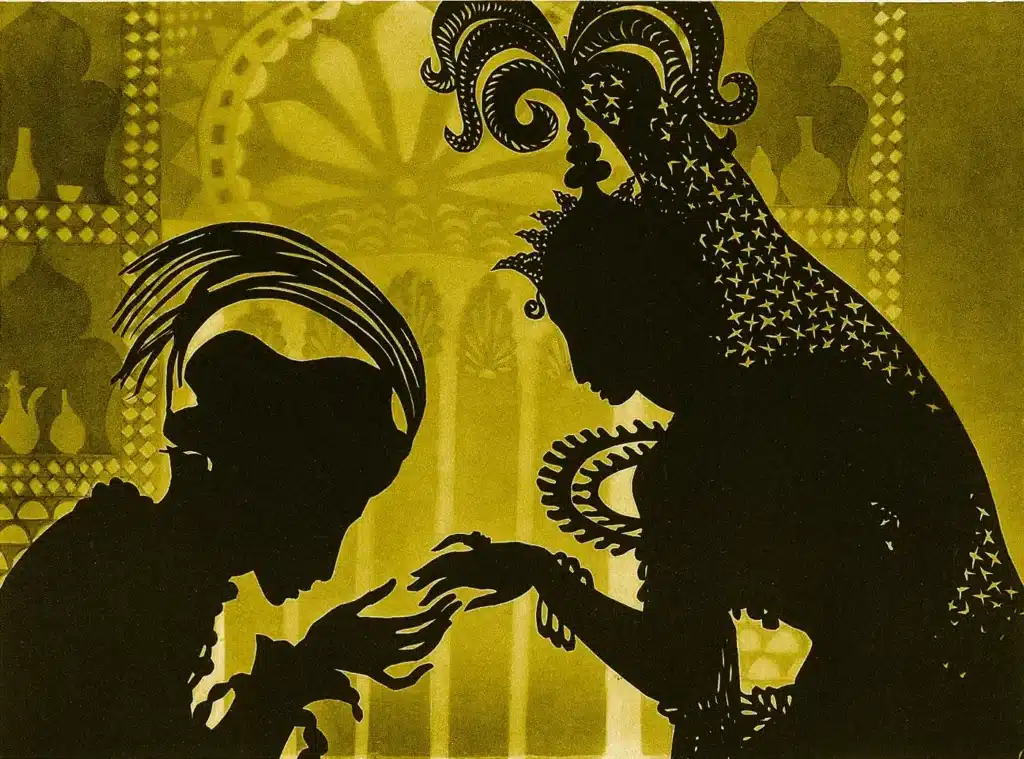
Lotte Reiniger was a German animation pioneer in the early 20th century. Her work specialised in silhouette animation, which led to the earliest surviving full-length animated feature film, The Adventures of Prince Achmed (1926). Her signature style came from mastering the art of cutting intricate paper designs. Reiniger is also noted for devising the first form of a multiplane camera, one of the most important devices in pre-digital animation. This technique involved placing the silhouettes on horizontal planes, which were stacked and photographed from above to create a sense of depth. Her work has had a lasting impact on animation, inspiring a generation of filmmakers and artists.
Retta Scott
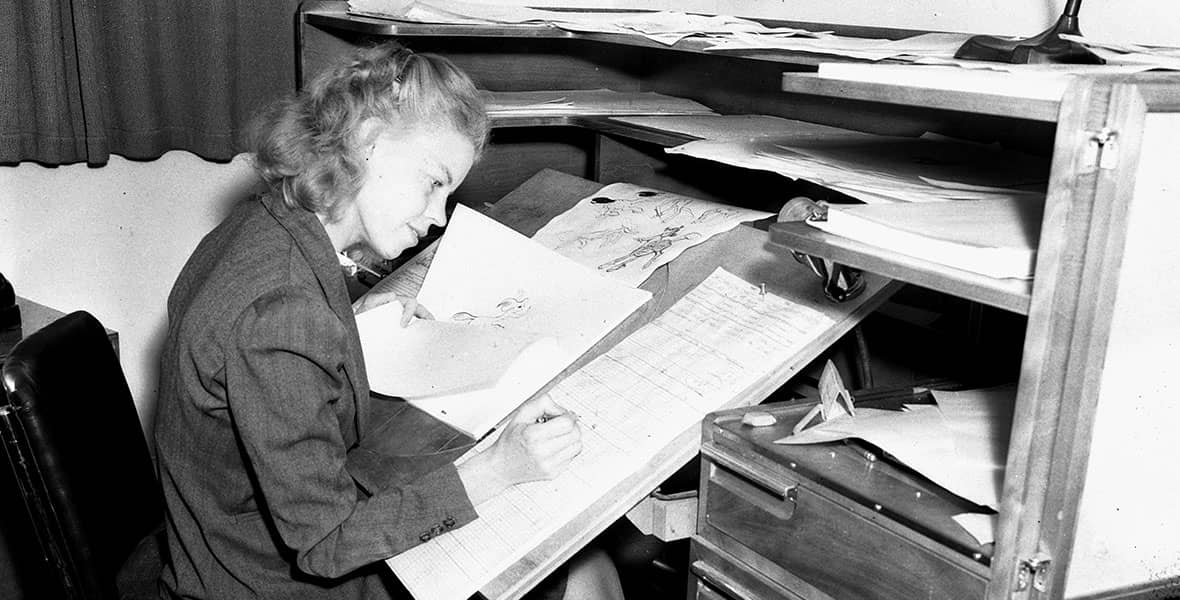
Retta Scott was an American artist and the first woman to receive screen credit as an animator at Walt Disney Animation Studios. She gained recognition for animating the hunting dogs in the 1942 classic Bambi. Her talent for drawing animals also led to work on Dumbo and The Wind in the Willows. Scott’s work was bold, emotional, and revolutionary, helping women take on creative leadership roles in major studios.
Laverne Harding
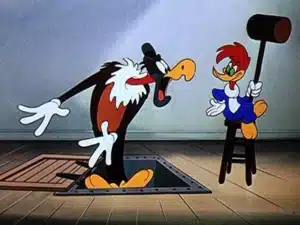
One of Hollywood’s earliest female animators, Laverne Harding, worked at Walter Lantz Productions (now known as Universal Cartoon Studios) and contributed towards classics such as Woody Woodpecker. She received her first screen credit on the Walter Lantz cartoon Wolf! Wolf! in 1934. Harding’s sharp comedic timing and distinctive character animation helped define the golden age of American cartoons. In 1980, she became one of the few women to receive the Winsor McCay Lifetime Achievement Award, one of the most prestigious honours in animation.
Brenda Banks

As one of the first Black women in American animation, Brenda Banks worked on iconic shows such as The Simpsons, The Smurfs, and Scooby-Doo, with a career spanning from the early 1970s to the 2000s. She began her animation career at Ralph Bakshi’s studio despite having no formal background in the field. Banks quickly proved her talent, working on the 1974 feature Coonskin. Her skills led Bakshi to enlist her for additional features, including Lord of the Rings (1978). She later joined Warner Bros., working on Looney Tunes television specials. Banks’ work left a lasting influence on the animation industry and shaped opportunities for Black animators.
Interested in studying animation? Discover our BA (Hons) Animation course.
Kazuko Nakamura
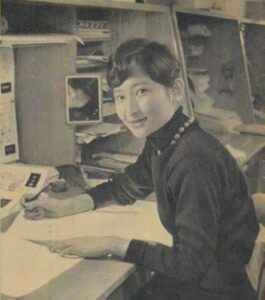
In 1950s Japan, Kazuko Nakamura became one of the first women to animate professionally at Toei Dōga (now Toei Animation). She joined Osamu Tezuka’s studio, Mushi Pro, as an animator and animation director. Nakamura took on key roles working on the 1967 Princess Knight anime as Character Designer, Art Director, and Animation Director. Her work helped shape the visual language of early anime and influenced generations of animators in Japan.
Makiko Futaki

Best known for her work at Studio Ghibli, Makiko Futaki was a Japanese animator who joined the studio in 1981 and worked there for more than 30 years. Futaki played a key role in many of the studio’s films, including Spirited Away, My Neighbor Totoro, and Princess Mononoke. While she excelled at drawing scenes of natural harmony with Ghibli, she demonstrated versatility in her style, notably as a key animator on Akira, the 1988 feature adaptation of Katsuhiro Otomo’s cyberpunk manga. Futaki’s artistry and adaptability left a lasting mark on Japanese animation, influencing the visual style of countless films that followed.
Ellen Woodbury
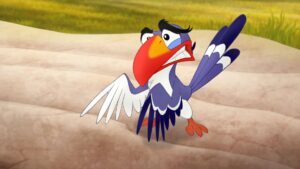
If you’ve ever loved the characters in The Lion King, Aladdin, or Hercules, you’ve seen Ellen Woodbury’s work. She joined Disney in 1985 as an assistant and became the first woman promoted to Directing Animator. Her first character developed in this role was Zazu in The Lion King, with Woodbury designing the character and defining his movements and personality. Today, Woodbury works as a sculptor, creating stone pieces inspired by the same attention to movement and form that defined her animation career. Her journey shows that creativity has no limits and thrives through exploring new forms of expression.
Inspiring the next generation
Each of these women transformed animation through innovation, perseverance, and creativity. Their legacies have shaped the industry, influenced storytelling, and set new standards for what is possible in the art of animation.
Interested in becoming a game designer, artist, or developer at MetStudios?
Sign up for one of our Open Days or apply via UCAS.
Craft the Digital Worlds of Tomorrow.
MetStudios is for people who imagine new worlds and want to bring them to life. Small classes, one-to-one mentorship, and practical, hands-on projects sit at the heart of everything we do. We put wellbeing and diversity first, so you have the space and confidence to explore your creativity and create work that feels truly your own.