Replaying 2016: The game art & design lessons that we still learn from
By metstudios
21 January 2026
Ten years on, many games released in 2016 are still shaping how we think about visual style and creative direction in games.
For anyone interested in games art or games design, revisiting these titles can be just as valuable as looking forward. They showcase smart visual choices, thoughtful design decisions, and techniques that continue to influence modern games. In this blog, we’ll explore the lessons from 2016 that are still worth learning from.
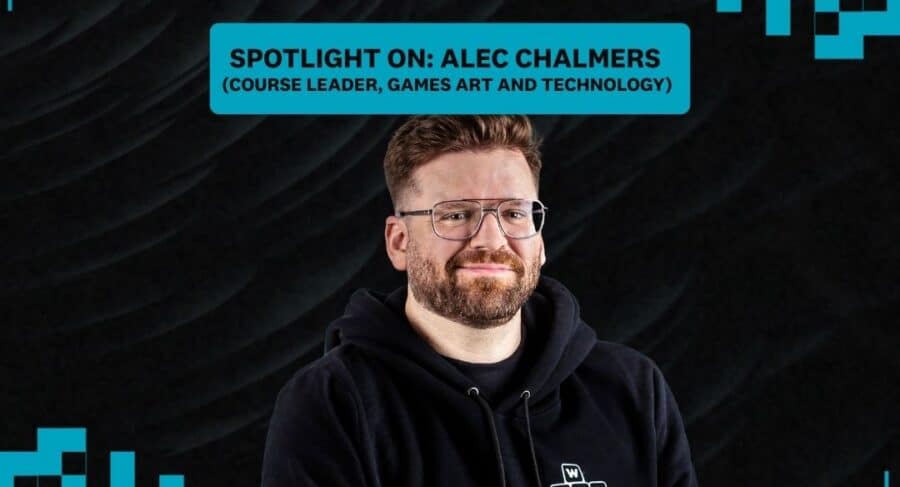
Alec Chalmers, Course Leader for BA (Hons) Games Art and Technology, also shares his industry insights on some of our picks.
Pokémon GO

Pokémon GO changed mobile gaming by turning the real world into its playground. Augmented reality lets players see and interact with Pokémon in their surroundings. Badges and rewards encouraged them to explore, catch more, and show off their achievements. The combination of immersive gameplay and social interaction made the game a global hit and created a worldwide community of players.
Lessons from Pokémon GO:
The game shows how thoughtful design can make a game fun and memorable. Pokémon GO is accessible and easy to pick up, and it uses physical movement to make playing feel more active and enjoyable.
“Pokémon GO shows that iconic character design beats raw computing power. It ran on older phones and still reads clearly in bright daylight.” – Alec Chalmers.
Stardew Valley

Stardew Valley focuses on relaxing gameplay and creative freedom. The ‘cosy’ game encourages players to slow down, explore, and enjoy building something over time. In Stardew Valley, the player moves to a small town after inheriting their grandfather’s farm. Through activities like gardening, mining, fishing, and building friendships with the townspeople, players improve their farm and help the town grow. There is no strict time pressure, allowing players to play in a way that feels personal.
Lessons from Stardew Valley:
Stardew Valley shows that games don’t need fast action or complex mechanics to be engaging. By giving players freedom and time to explore, the game creates a relaxing and meaningful experience.
Dark Souls III
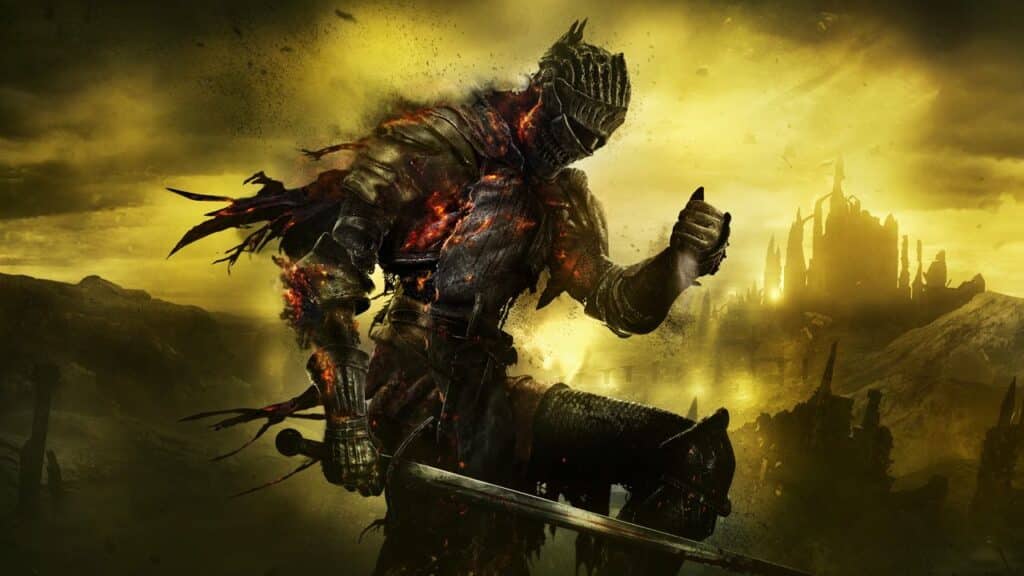
Dark Souls III, the third and final entry in the Dark Souls series, is an action-RPG set in a dark fantasy world. Its level design makes the world feel alive and connected, with twisted castles, ruined cities, and hidden paths to explore. Bonfires are a key part of this design. They act as checkpoints where players can rest, heal, repair equipment, and fast-travel between locations. Their placement guides players, adds tension, and rewards careful exploration.
Lessons from Dark Souls III:
Dark Souls III shows that challenges can make a game rewarding. Players learn from failure, notice patterns, and plan their actions carefully. The game demonstrates how design can create tension and make exploration feel meaningful while allowing players to figure things out for themselves.
“Dark Souls III nails environmental storytelling through value control and shape language; a restrained colour palette, deliberate focal points, and silhouettes that sell a beautiful, decaying world.” – Alec Chalmers.
Overwatch
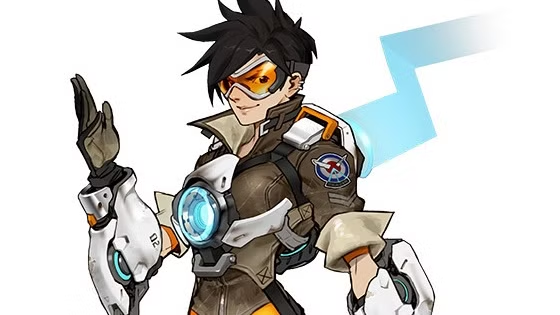
Overwatch is a first-person shooter that won Game of the Year at The Game Awards in 2016, showing its strong impact on the gaming industry. The game stands out for how polished it feels to play, with smooth animations, clear sound design, responsive controls, and a clean user interface. Each character has unique abilities and a strong visual identity, making them easy to recognise and fun to play.
Lesson from Overwatch:
Overwatch shows the importance of strong character design in games. Every hero has unique gameplay abilities and a clear role within a team, encouraging teamwork and strategy. The game also demonstrates how polish and attention to detail can greatly improve how a game feels to play.
“Overwatch is a reminder that character design is communication. Every hero is instantly readable, expressive, and recognisable in motion, so a match feels like clashing personalities, not just shooting targets.” – Alec Chalmers.
Doom
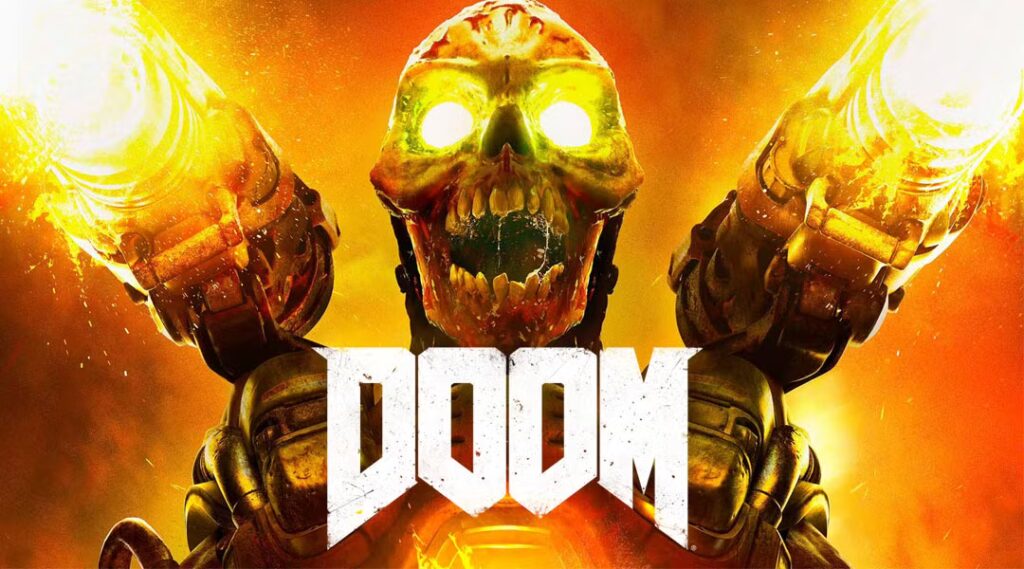
Doom (2016) is a reboot of the Doom franchise and a fast-paced first-person shooter that focuses on aggressive, high-energy combat. It’s a great example of how classic gameplay can be reinvented with new mechanics, giving players an ever-expanding toolkit of weapons, equipment, and abilities to master combat and stay in control during intense battles.
Lessons from Doom:
In Doom, fast movement, aggressive combat, enemy placement, and level design all work together to keep players engaged and make the action feel thrilling. Visuals, sound, and music guide players and heighten intensity, showing how art and design can enhance the gameplay experience.
Why these games still inspire
Games from 2016 highlight how visuals, sound, level design, and gameplay systems can guide players, encourage exploration, and make action feel exciting. They continue to inspire designers and artists today, offering lessons in accessibility, pacing, world-building, and player engagement, and showing how careful design can make games memorable and meaningful.
Interested in becoming a game artist MetStudios?
Applications for our BA courses through UCAS are still open, with a late application deadline of 31 January. The best way to learn more about studying with us is by joining one of our Open Days, where you can meet staff, students and explore our campuses.
Find out more and book an Open Day.
Craft the Digital Worlds of Tomorrow.
MetStudios is for people who imagine new worlds and want to bring them to life. Small classes, one-to-one mentorship, and practical, hands-on projects sit at the heart of everything we do. We put wellbeing and diversity first, so you have the space and confidence to explore your creativity and create work that feels truly your own.